Business Vision and Goals

Posted by & filed under Vision.

We all…

Must absolutely, positively create vision and goals that excite us.  During this hectic time of year when you are dealing with day-today business issues, Thanksgiving and Christmas break/distractions completing the end of year matters and more, it may seem like a task that can wait.  However, this task is critical and it takes time to do it right.

Here is what I’m doing to prepare for the New Year.

  1. Each November I do my annual leadership review of my year (Personal and Professional Development Plan).  I get honest, open feedback from my partners.  Below is what I sent to them.
  2. Over the Thanksgiving break I formulate my annual goals.  This includes all my goals and plans.
  3. In December I test the goals to make sure they feel right. I finalize them by 12/31.
  4. In January I blast off…ready to activate the new plan.

It is a process that takes time, (you can’t rush this) but it focuses me and it works.  (Note: It may also be disruptive to your ego and cause some anxiety.  Work through it.  It is a great continuous improvement process.)  I refine it as I go along, examining it during weekly and monthly reviews.  It really is quite easy once you get into the habit of doing it.

  • What do I do well and should keep doing?
  • What am I doing that I should stop?
  • What do you see are my key strengths and how should I capitalize on them?
  • How do you see us partnering better in upcoming year?

Other related leadership articles:

See our other free blogs for additional free information on vision, culture, leadership, recruiting, sales, and professional development and DVD/book summaries.

Business consultant Chicago

Posted by & filed under Chicago Business Consultant, Leadership.

Employees are human beings, and as such, they are anything but static. Though we would like to think that after we have selected and hired the candidate with the greatest talent, skills, and value, they may not always perform to the best of their abilities. Humans are dynamic and complex by nature, and work stress, family lives, and a thousand other factors could be causing them to underperform. When you notice your employees are underperforming, you essentially have two options: help them perform better or let them go. Ideally you would like to protect your time and money investment in your employees, so the first option is generally favored over firing an employee.

Make Sure You Give them Feedback

If an employee doesn’t have a clear picture of your expectations, they may not realize that they are underperforming. To help them understand that they aren’t meeting expectations, you need to make sure that you give them crystal clear feedback – albeit in a constructive manner. Some employees don’t respond well to criticism, so be careful how you deliver the message. Instead of barking managerial flack at an employee, make sure you offer constructive criticism as well as deliver the message that you care about your employee.

Make Sure You Listen to Your Employees

An employee’s performance may or may not be related to personal factors. You need to constantly keep channels of communication open with your employees, or you could be setting them up for failure. Try to discern the real reasons that an employee is underperforming. Did you set their goals unrealistically high? Are your internal processes to blame because they are flawed? Is there an issue with interdepartmental cooperation and communication? Nothing will irritate your employees faster than blaming them for factors outside of their power and control. By listening to your employees, you will be able to uncover and identify process improvement opportunities instead of appearing as a corporate robot.

Follow Up with Your Employees

You also have to keep checking up on your employees, but try to do so in a way that does not seem invasive. It would be a mistake to simply tell an underperforming employee that they need to pick up the pace and not give them a second thought. That will make your management seem callous and obtuse. By following up with your employees, you can constantly readjust and course-correct to make sure that everyone meets their goals. Make it a point to have regular meetings with underperforming employees to make sure everyone is on the right track.

Know Where to Draw the Line with Underperformance

Sooner or later, it might be high time to cut ties. At a certain point, a constantly underperforming employee may be harming your organization. One missed sales quota for a single period is one thing, but a constantly reoccurring problem is an entirely different animal. If you feel that you have done your due diligence and given every opportunity for improvement and success, it might be time to look for other candidates that will help your business grow.

Finding Help for Your Business

If you need help dealing with organizational inefficiencies, contact John M. Ruh and Associates. With years of experience helping businesses, you would feel regret without services that would help your business flourish.

Business Consulting Chicago

Posted by & filed under Business Culture.

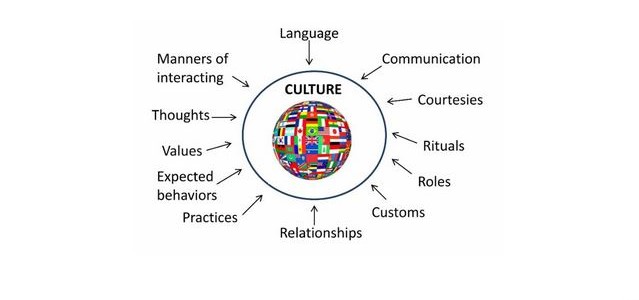
Perhaps the most difficult thing you have to do as a business leader is to define your culture. Most of us are busy trying to address the multitude of daily business problems we face like sales issues, people problems, cash flow and the like. So why, given all these other hands-on challenges, is it important to address something as nebulous and abstract as culture?

Reason #1:

If your culture is not clearly defined (and understood by all of your stakeholders), you and your people may not be able to solve the other challenges with any systematic, long-lasting success.  Oftentimes, a dysfunctional culture is actually the root cause of the issues a business faces.

Reason #2:

If you don’t know where you have been, where you are now, where you are heading and why, you are like a kite in the wind.  Teams cannot be effective if they are not clear on direction and what is expected of them.  Answers to these questions are at the core of cultural communication.

Reason #3:

When one knows very clearly (be it your individual, department or company game plan) the answers to the questions in #2, strategy, structure and support are much easier to implement. Think of the culture (vision, mission, values) as the foundation of the business.  Then picture the disciplinary functions (sales, marketing, engineering, service, etc.) as bricks set upon that foundation.  A solid and well-designed culture makes for a solid structure.

Reason #4:

Right decision making across the team is made much easier when everyone understands your vision, mission and values.

Reason #5:

Culture is practical and when it is done right it can lead to competitive advantage.  “Organizational Health” (an outcome of a strong and vibrant culture) has been called “The Advantage” by prominent business thinkers.

Suggested Readings

See our other free blogs for additional free information on vision, culture, leadership, recruiting, sales, and professional development and DVD/book summaries.

P.S.  Culture must meet 3 criteria.  Contact John M. Ruh and Associates to discuss what they are or ask us to do a one-time free, one-hour session with you and your team.

Posted by & filed under Recruiting.

Employees are the heart and soul of most businesses and without them, the business would fail to operate. Unfortunately, the top talent in any industry is highly sought after and is likely already gainfully employed. So how do you find the best available individuals who are hunting in the job market? Follow these tips to help find top talent that will help your business thrive.

Employee Referrals

As they say, birds of a feather flock together. If you are looking to fill a position, you might first provide your current employees with a small incentive for referrals. They may already know someone who would be a perfect fit for your organization. Plus, since your current employees already understand your organizational culture, they’ll be able to discern if their friend or acquaintance is a good fit for your organization or not. After all, they wouldn’t want to vouch for someone who would be a terrible fit. That would reflect poorly on them as an employee, and could harm their reputation.

Consider Job Ad Placement

Not all job advertising mediums were created equally, and you need to consider where your desired candidates go to look for employment opportunities. While Craigslist might sound appealing at first, do you really think someone seeking a management position or highly technical role is going to go look there first? Probably not. In addition, advertising jobs in the wrong places could cause a flood of the wrong type of people – which only results in wasted time and energy for your current employees and HR staff.

Make Sure Your Job Descriptions are Accurate

This step is crucial to attracting the right talent. You need to give a lot of thought to your job descriptions and ensure that they paint an accurate picture for potential candidates. Be as specific as possible and explain the requirements and expectations in great detail. This may sound like a no-brainer, but you might be surprised just how many job descriptions fail to create accurate job descriptions – which creates hoards of emails and applications from unqualified individuals.

Well-Rounded Employees

There is a lot more to an employee’s value than their knowledge and skills. One thing you should be especially concerned with is their track record and ethical history. This is where background checks come into play, and you need to be extremely diligent with this part of the hiring process. You are likely better off hiring someone slightly less talented with a perfectly clean history than someone slightly more talented with red flags in their background check. You are better off not taking the risk. One unethical employee is all it takes to set your business back years and years. And the worst part? Unethical practices could result in fines that crush your profits.

Business Consulting You Can Trust

If you need help structuring your business, don’t hesitate to reach out to John M. Ruh and Associates. Too many businesses make the same old mistakes, and your business is better off finding help you can trust.

Posted by & filed under Leadership.

A business is comprised of many moving parts, but one of the more critical components is its leadership. Central to the success of any business, your leadership team needs to be well prepared to handle employees with varying personalities, skill sets, and experience levels. Too many small businesses fail to implement a leadership strategy that understands their subordinates, and as a result, they crush their potential and stymy future growth. In addition, a failure to understand how to manage subordinates can create an organizational climate that seems disingenuous and selfish.

The Ruh Advanced Leadership Program

An inexperienced leadership structure results in inefficiency, costly mistakes, and ultimately loses revenue. To help your leadership team improve their effectiveness, we offer custom leadership programs to help your small business succeed. However, there isn’t a one-size-fits-all leadership program, and anyone who tells you different is dead wrong. That’s why we offer three different types leadership program models, so you can select the one that best suits the needs of your business.

Not only will our program help increase operational efficiency, but we can also help your business improve interpersonal communications. Every employee is inherently different and therefore has different needs. A failure to understand this from a leadership perspective will make you seem like a callous and obtuse business robot. However, we can help your management team identify how your employees’ different skills, experience levels, and educational factors can be used for optimal efficiency in your business. There’s a lot more to leadership than delegating tasks to subordinates, and your management needs to understand the strengths and weaknesses of different individuals within your organization.

Identifying and Understanding Your Employees’ Strengths and Weaknesses in Chicago

If you don’t understand your employees’ strengths and weaknesses, your leadership team is going to have an incredibly difficult time motivating your employees and coordinating them for maximum efficiency. Though you may think that any employee with a certain skill set is more or less the same, you couldn’t be further from the truth. Even if employees have the same professional skill set, they almost always have different behavioral strengths and weaknesses. This is a personal element that small businesses without human resource consultants frequently fail to address. What this mistake boils down to is the failure to see your employees as people instead of profit tools. Remember, your employees are people and you need to care for their personal needs to be an effective leader. Fortunately, our DISC tool will help you better understand your employees’ personal characteristics to improve communications, effectiveness, and even your business’s profits.

Improving Leadership to Maximize Your Profits in Chicago

Instead of appearing as a callous, impersonal, profit-driven machine, invest in the time it takes to understand your employees’ strengths and weaknesses. Businesses are comprised of and run by people, and you need to do everything in your power to treat your employees right if you hope to be successful. Our corporate leadership training tools will help you bridge the gap between employees and management.


Recruiting Program Chicago

Posted by & filed under John Ruh’s 5 Step Recruiting Model.

Success in your business means hiring the right people that align with your company’s mission and vision. Having a Internal Recruiting Program that produces quality candidates is paramount for every business.

Step 1 – Culture Defined (the foundation)

The company’s history, vision, current goals, mission and values need to be clarified so this program (and any others) are built on a solid foundation (this will allow steps 2-5 to be very successful).

Step 2 – Recruitment Description (defining Mr./Ms. Right in 3 areas)

  1. Culture (vision, mission and values alignment).
  2. Skills, experience and education.
  3. Desired traits.

Step 3 – The Recruitment Strategy

Knowing where to find Mr./Ms. Right and the exact tactics to be used, along with who will execute the tactics and how measurement of results will be communicated.

Step 4 – The Interview Process and Evaluation

  1. Review ABC’s on recruitment description. Grade candidate 1-10 on each.
  2. Before hire is made have a vision and values alignment check done by someone who understands how. (If person’s vision/goals/values don’t align, don’t hire them).
  3. Background checks (both parties check each other out…no secrets)

– Thorough work behavioral reference checks to validate or invalidate your feelings about the candidate (the past is the key to the future).

– Group evaluation/input from internal team (to get buy in/feedback)

– Assessment tools used by client which can include DISC, OMNIA, Profiles International etc…whatever tool you prefer. (I personally prefer DiSC.)

Step 5 – Hired/Oriented Right (The step most people skip for some reason)

  1. Agreement on all terms/expectations by both parties before the candidate begins employment.
  2. Clearly define the job description and review processes to be used (spell it out so there is no confusion).
  3. Orientation 1st 90 days to determine 3 things: 1) Is it a culture fit, 2) Is the candidate able to be 8, 9, 10 and, 3) What is the best way to communicate in order to empower them? (If it is determined this is not the right hire, terminate early).

*Must be done in accordance with state and federal laws.

Posted by & filed under Business Culture.

Small businesses in Chicago face a lot of challenges. To be frank, there is a lot more that goes into a business than selling products or services. In fact, there are a variety of other challenges that need to be dealt with if you have any hope of running a successful business. From creating the right organizational culture to hiring the right employees, there are many ways the small business consulting services of John M. Ruh and Associates can add value to your business.

Creating a Rock Solid Organizational Structure

One of the most important success factors that small businesses frequently overlook is creating a solid and efficient organizational structure. You absolutely need rock star leaders who can effectively manage different components of your business if you want long-term success. Fortunately, if you don’t know how to implement effective leadership strategies, we can assist you. We offer advanced leadership programs to help improve internal efficiency that will keep your business running like a well-oiled machine.

In addition, you also need to regularly communicate with key leaders to make sure that everyone is on the same page. Instead of risking miscommunications, a lack of a shared vision, and a disorganized internal structure, we can help your business by providing leadership reviews, regular communication meetings, and multi-level management education. Furthermore, your business will benefit from implementing a board of advisers to ensure that your business is moving in the right direction with strategic planning.

Finding the Right People to Join Your Team in Chicago

A business is only as good as the people who work for their business, and you need to make sure you separate the wheat from the chaff when you make hiring decisions. Not only do you need to find top talent in your industry, but you also need to find people who are a good fit for your organizational culture. An inexperienced business owner trying to hire the right employees is just like trying to hit a bullseye on a dartboard while blindfolded. Don’t make the mistake of hiring the wrong people because it can set your business back and cause a lot of stress and frustration. For some employees, their work life can be a tedious grind when their leaders fail to see them as human beings. Don’t make this colossal mistake. Instead, seek the consulting help of John M. Ruh and Associates to ensure that you only hire people that are a perfect fit for your business’s goals that will help your business thrive.

Growing Your Small Business in Chicago

If you live in the Chicago area and need help structuring and growing your business, seek consultancy from John M. Ruh and Associates. We can help grow your business and provide tools to help you build a rock star team to ensure the future success of your business. Don’t leave it to chance – instead, reach out to an experienced professional to protect the future of your ventures. We understand the challenges that small business owners face better than anyone else in the Chicago area, and we want to lead you down the path of success.

Posted by & filed under Book / DVD Summaries.

2011 Book of the Year – “Winning” by Jack Welch

Provided By: John Ruh

Winning By Jack WelchThis white paper/book review is a summary of Jack Welch’s excellent book, “Winning”, with an outline and analysis from John Ruh.  This is one of our most popular educational pieces.

Jack Welch knows how to win. During his forty-year career at General Electric, he led the company to year-after-year success around the globe, in multiple markets, against brutal competition. His honest, be-the-best style of management became the gold standard in business, with his relentless focus on people, teamwork, and profits.

If you or your business would like a copy of the book review please fill out our online contact form and we will email you a copy of the review.

You may also be interested in our Leadership Workshop that reviews the principles from the book.  Check them out here.


Posted by & filed under Uncategorized.

Business Consulting Chicago

Does it have to be business or charity?

I don’t think so. To the contrary, I believe they belong together. Here’s why.

Every one of our businesses was built with a mission-based approach. All of the services we provide share the mission of getting our clients to a better place. Isn’t there an act of charity in this, regardless of whether we earn a fee afterwards? Service, at its core, is all about giving. From my perspective, charity and earnings can perhaps be the MOST compatible aspects of being an entrepreneur.

A Superior Example: Tom’s Shoes

Blake Mykoskie, a young entrepreneur was on vacation in Argentina. He was introduced to a small humanitarian effort providing shoes to the children in the slums outside the capital. Deeply moved, he sold his company and started Tom’s Shoes, (www.toms.com) around the dominant mission of profit FOR charity (business and charity). When a pair of shoes is purchased, Tom’s donates a pair to a child in need. In turn, this motivates shoe shoppers to by their shoes through Tom’s, thereby participating in the charity.

How You Can Apply This?

Good citizenship is practiced by both large and small companies. It does not have to be business or charity. Creating a heartfelt mission, one that you and your employees can honestly and deeply feel, allows you to lead and work in a happier, more positive, business model. You may find mission-based leadership is not only very effective but also very profitable (so you can “give” more to your staff and others).

P.S. We are currently offering one free session explaining mission, vision and values, how to create this business model and how to use it to Find, Focus and Support  5-Star leadership and role players.  Just call or email me and we will set up a time.

Posted by & filed under Business Culture, Leadership, Professional Development.

1776: A group of Independent leaders DECLARED US TO BE A FREE, INDEPENDENT NATION 

What does that have to do with you and your business?

Key Points – By: John Ruh

Point 1: Your Declaration
Somewhere along the way you or someone in your company DECLARED that you were a new business entity. You saw an opportunity and you committed yourself to it and took ownership.  Or maybe you just saw a better way to provide a product or service.  Either way, you created a vision and a direction. Then, you created some rules or a code of conduct you expected everyone associated with you to operate under. This “declaration”, however tacit it may have been, was (and remains), a key component of the lifeblood of your business.

Point 2:  You created a new game.
You called the game Your Way of Doing Business (or just “your model”). But no one else knows your game. And this is why it is so hard to hire into your culture. Your culture must be communicated in a game plan that people can see, feel and experience in order for them to participate in the success of it. How can anyone win a game they don’t understand?

Point 3: Communicating Your Way of Doing Business
If you are having trouble positioning your company, finding people that align with your culture; or getting current employees to align themselves with your game plan, you have to ask yourself: Have I properly defined and communicated my Way Of Doing Business?  Do it now.  It will solve many of your other issues.

Call/email us to support you at clearly outlining the rules of your game or to have a one time, free 90 minute session with you and your leadership team on this complicated subject.

Suggested Readings